
Are Pregnancy Hormones Affecting Your Vision?
Pregnancy brings a lot of changes, and your eyes are no exception. Many people notice their vision feels slightly "off" during pregnancy: glasses that used to work fine now feel wrong, contacts become uncomfortable, and dry eyes are common. The good news is that most of these changes are temporary and tied to normal hormonal shifts. Some symptoms, however, do deserve a closer look.
Here's what you need to know about vision changes during pregnancy, what's considered normal, and when it's time to book an eye exam.
Is blurry vision normal during pregnancy?
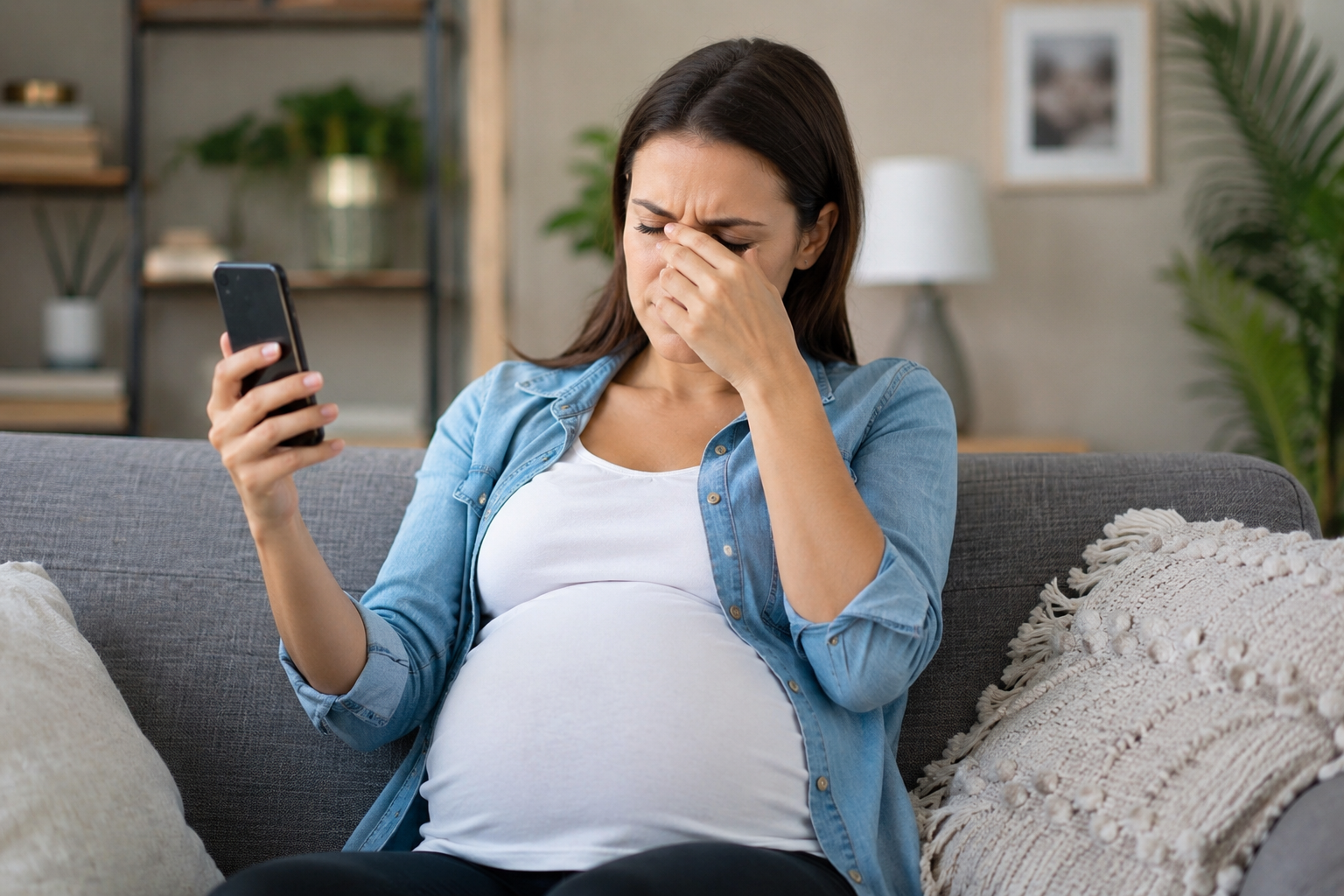
Yes, mild blur is common and usually resolves after delivery. If it's sudden or severe, though, get checked right away.
Fluid retention during pregnancy can subtly change the shape and thickness of your cornea, which is enough to temporarily shift your prescription.
The American Academy of Ophthalmology (AAO) notes that corneal thickness and curvature may increase during pregnancy, affecting how clearly you see.¹ The International Myopia Institute similarly recognizes temporary refractive changes as a normal part of pregnancy.
This is also why we generally recommend waiting until a few months after delivery before updating your glasses or contact lens prescription, unless symptoms are significantly affecting your day-to-day life.
Why do my eyes feel dry and irritated?
Hormones, again! Pregnancy affects tear production and the stability of your tear film, leading to symptoms like:
A burning or gritty sensation
Contact lenses becoming uncomfortable sooner than usual
Needing lubricating drops more frequently
A review in Optometry Times notes that pregnancy and postpartum hormonal changes can significantly disrupt the tear film, contributing to dry eye symptoms.² Treatment during pregnancy focuses on safe, conservative options: preservative-free lubricating drops are generally the first choice. "Get the red out" drops like Visine contain tetrahydrozoline, which has limited safety data in pregnancy and can cause rebound redness with regular use, so artificial tears are a better option. Reducing contact lens wear time can also help improve dry eye symptoms as well.
Can pregnancy affect existing eye conditions?
Yes, and this is where monitoring matters most. Conditions that can change or worsen during pregnancy include:
Diabetic retinopathy, which may progress more quickly, especially if blood sugar control is less stable
Glaucoma, which can be affected by changes in intraocular pressure
Keratoconus, which may be influenced by hormonal changes to the cornea
A peer-reviewed review in the National Institutes of Health database highlights that diabetic retinopathy can accelerate during pregnancy.³ If you have any of these conditions, your exam schedule may need to be more frequent. Let us know and we can adjust your care plan accordingly.
What symptoms should I not ignore?
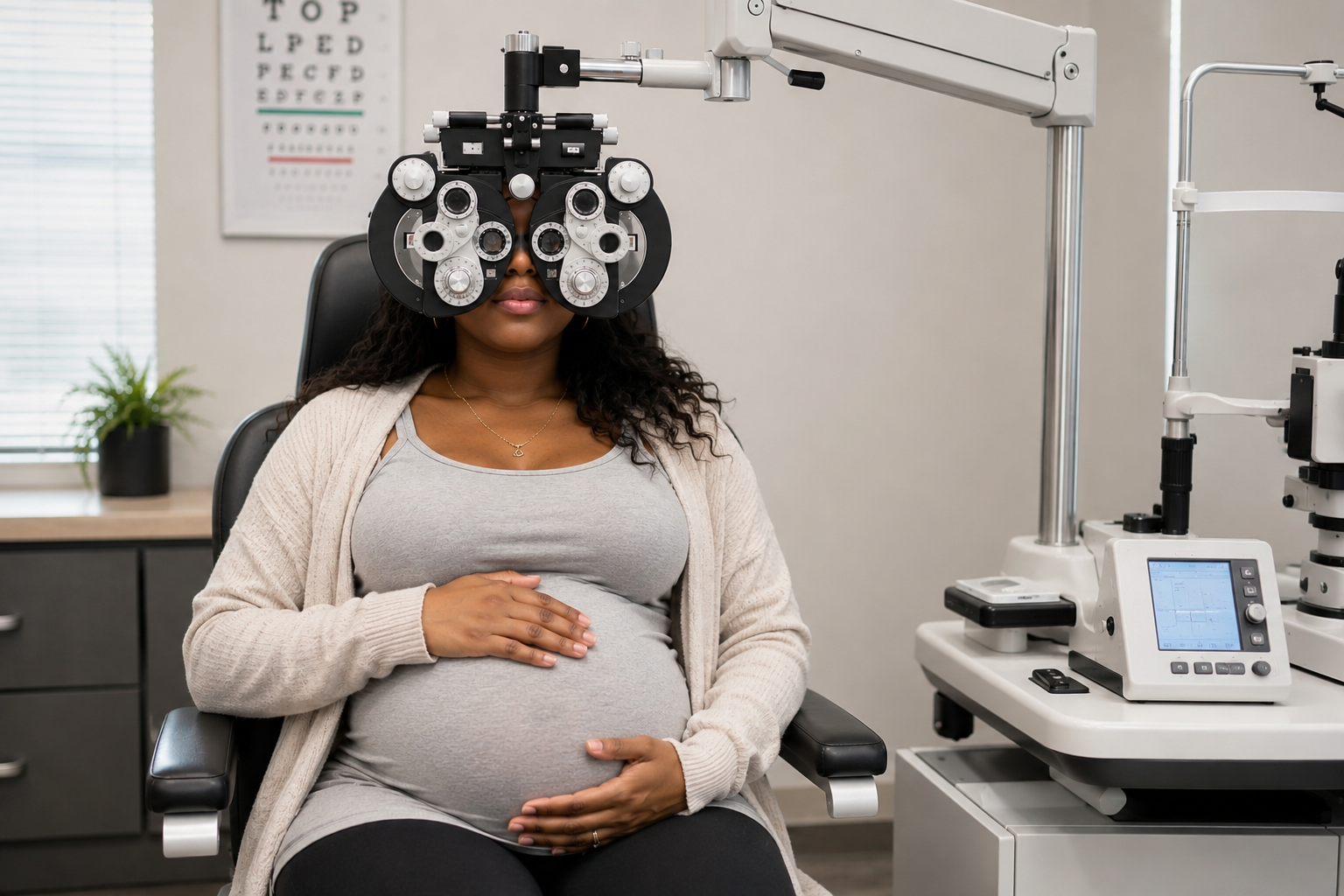
Most pregnancy-related eye changes are mild. The following symptoms are not typical and should be assessed promptly, either by your optometrist or your medical team:
Sudden vision loss
Persistent double vision
New flashes of light or a sudden increase in floaters
Severe light sensitivity
Visual disturbances like spots, shimmer, or a partial loss of your visual field
These can sometimes be early warning signs of preeclampsia or other systemic complications. The AAO identifies visual symptoms as a potential indicator of serious conditions requiring urgent attention.¹ When in doubt, reach out!
Should I get LASIK or update my prescription while pregnant?
We recommend waiting on both. Pregnancy hormones make your prescription temporarily unstable, which means any changes made now may not reflect your true baseline once your body has settled. LASIK requires a stable cornea and a stable prescription, and the procedure is not recommended during pregnancy or while breastfeeding. Some medications used during LASIK, including sedatives and certain eye drops, may also carry risks during pregnancy.⁴
Our general advice is to wait until a few months after delivery, or after breastfeeding has ended, before considering LASIK or making significant prescription updates.
Will things go back to normal after delivery?
For most people, yes. Mild blurry vision, dry eyes, and contact lens discomfort typically improve as hormone levels normalize. Some changes may persist through the breastfeeding period, since lactation hormones can continue to affect the cornea and tear film, but most resolve once that stage is complete.
If you have a condition like diabetic eye disease or pregnancy-related hypertension, follow-up care after delivery is just as important as monitoring during pregnancy.
Frequently Asked Questions
Can pregnancy permanently change my vision? In most cases, no. Changes are temporary and linked to hormonal shifts. If an underlying condition like diabetic retinopathy is affected, some longer-term changes are possible, which is why regular monitoring matters.
Is it safe to use eye drops during pregnancy? Preservative-free lubricating drops are generally considered safe. Always check with your optometrist before using any medicated or prescription eye drops during pregnancy or breastfeeding.
How often should I get my eyes checked while pregnant? If you're healthy with no pre-existing conditions, your regular exam schedule is typically fine. If you have diabetes, glaucoma, or another ocular condition, more frequent appointments may be recommended.
When should I update my glasses prescription? Wait until a few months after pregnancy or breastfeeding ends, unless your vision is significantly affecting daily life.
When should my baby have their first eye exam?
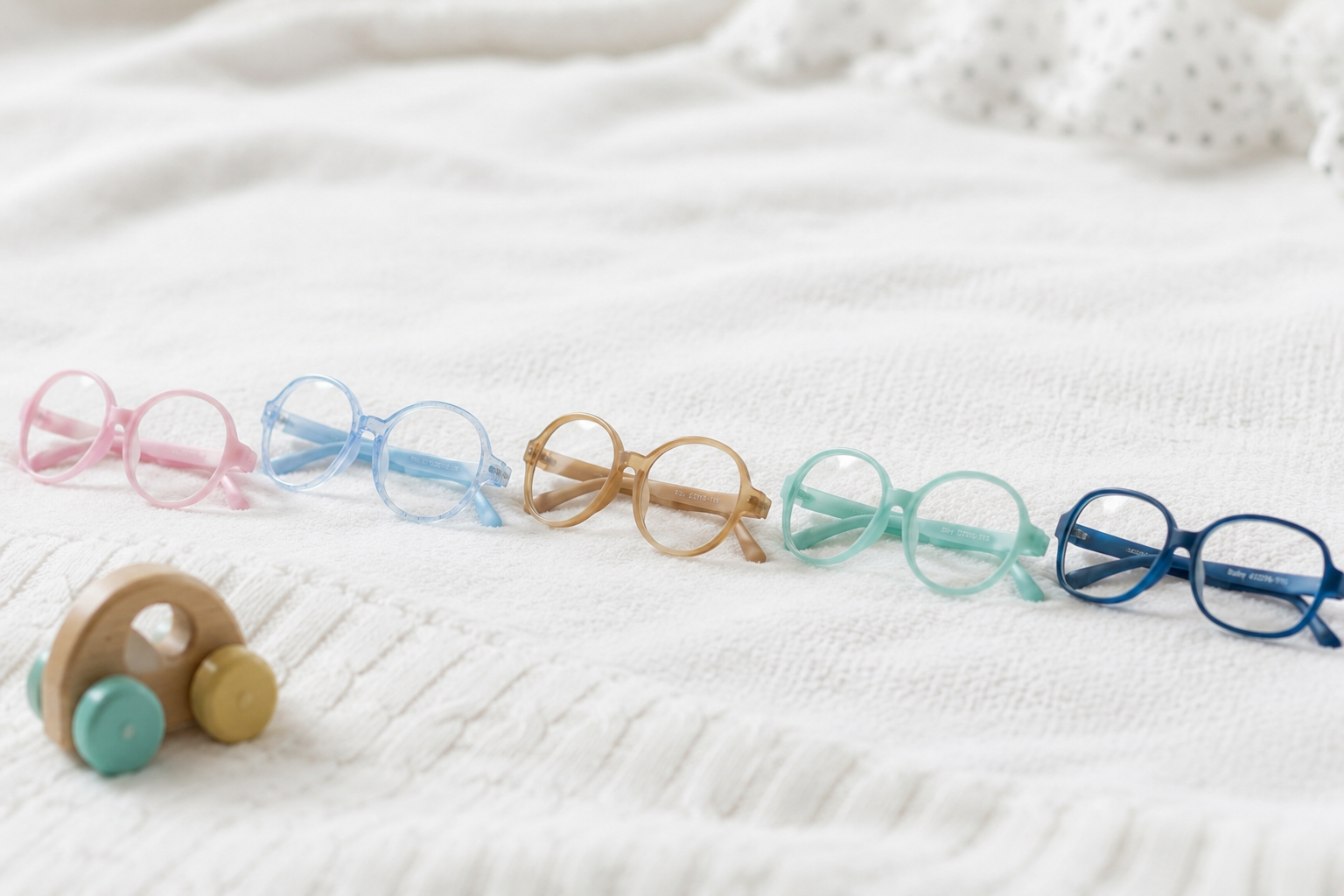
The Ontario Association of Optometrists recommends a first comprehensive eye exam at around 6 months of age, even without obvious signs of a problem. Early exams can detect issues with alignment, focusing, and visual development during a critical window of growth. In Ontario, annual eye exams for children under 20 are covered by OHIP.
When to Book an Eye Exam
If your vision changes are noticeable, uncomfortable, or worrying you, it's worth coming in. At Insight Eye Care, we tailor exams to every stage of life, including pregnancy. We'll help you understand what's normal, what to watch for, and what may need treatment.
Book an appointment with one of our optometrists to learn more!
-
-
This image was created using AI-assisted visual generation technology to represent eye care during pregnancy in a realistic clinical setting.